PCB fab houses
Cheap per board at volume, but every revision means days to weeks of waiting and shipping.
Kite is building a desktop 3D printer for complete multilayer circuit boards. Ceramic, silver traces and embedded components, printed together and fired into one solid board.
For makers, businesses, schools and labs. Designed to turn weeks of waiting into about a day.
 Innovation Hub
 I-Corps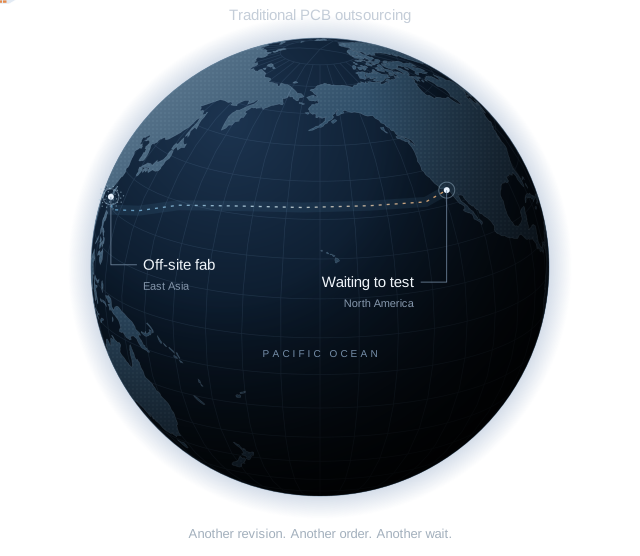
Designing a board can take an afternoon. Outsourcing it means sending the files to a fab house, then waiting days or weeks while it is etched, plated and shipped. Every mistake restarts the wait, and every design has to leave the building.
Kite is building a printer that makes the board on your desk. It prints ceramic and silver together, then fires them into one solid circuit board. Build, test and revise in-house.
| Measure | PCB fab house |  |
|---|---|---|
| Turnaround | Days to weeks, plus shipping | About a day target |
| Minimum order | A batch of boards | One board |
| Cost per revision | A batch order plus shipping | The materials for one board |
| Where it’s made | A fab, often overseas | Your desk, lab or shop |
| Design files | Sent to the fab | Stay with you |
Today you can wait on a fab, settle for printed ink, or buy an industrial machine.
Cheap per board at volume, but every revision means days to weeks of waiting and shipping.
Print silver ink onto FR-4 and cure it. Cured ink conducts much worse than solid metal, which limits what the boards can do.
Capable multilayer machines, at six-figure prices that most labs and small companies can’t justify.
Designed to fire silver paste inside the ceramic, so the traces sinter into solid metal, at a price a lab or small company can justify.
Ceramic paste builds each layer of the board. Silver paste lays down the traces and fills the vias that connect the layers.
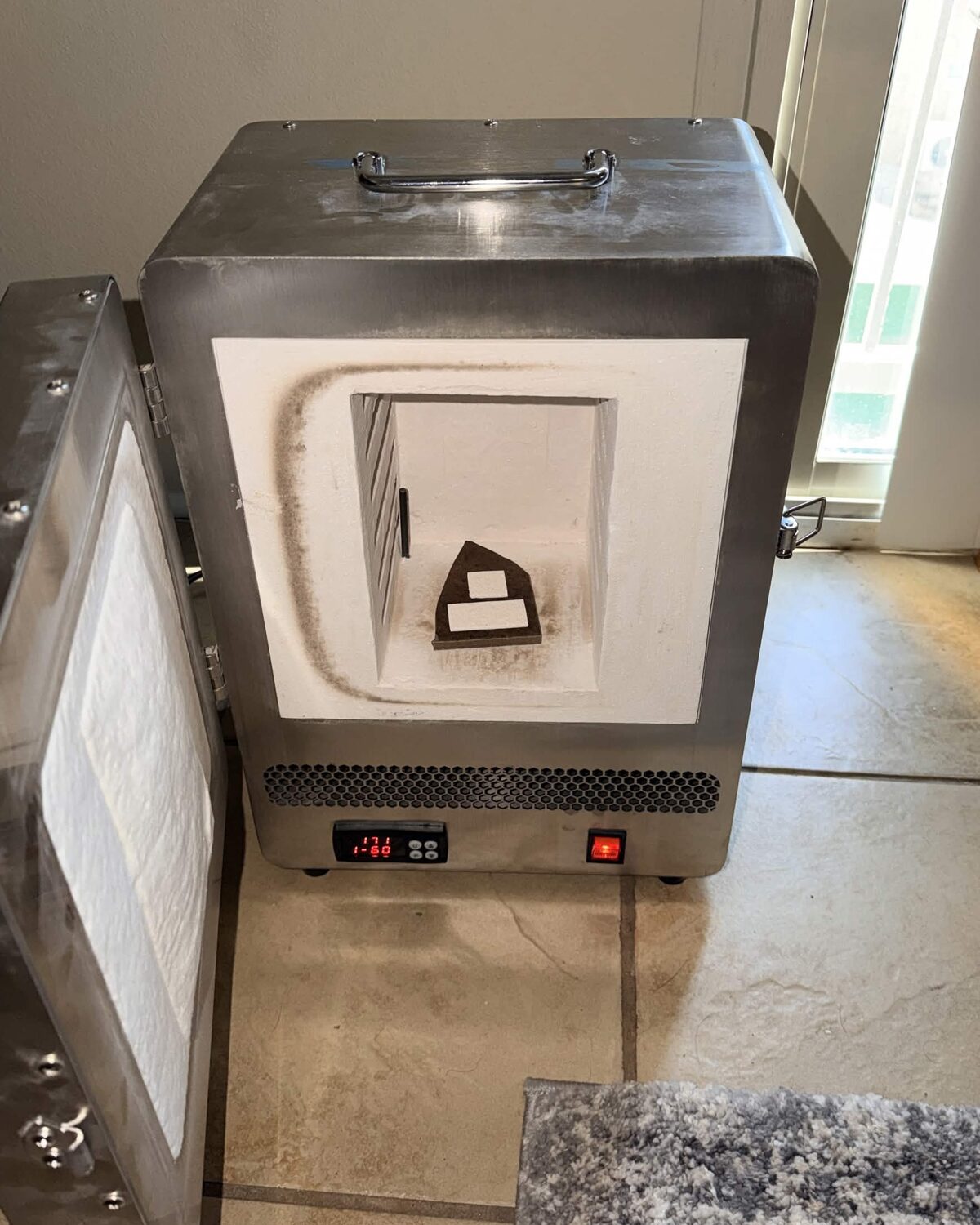
Two pastes, one printThe printed board is fired at 850–900 °C. Ceramic and silver fuse into one solid board.
Low-temperature co-fired ceramicSolder the chips and connectors onto the printed pads, then power the board up.
Standard IPC-7351 footprintsMost of the parts on a typical board are passives. Kite can print them into the layers along with the wiring, so there are fewer parts left to place and solder.
Printed passives start at about ±10–20% before trimming, so we start with the parts that don’t need tight tolerances.
Print a board the same day you design it, with no order, no shipping and no minimum.
Get updatesTurn board revisions around in-house instead of waiting on a fab for every change.
Get updatesLet students and researchers print the boards they design, on site.
Get updatesDefense, aerospace and unreleased products never leave your building.
Get updatesCeramic also handles heat and high frequencies better than FR-4, which matters for RF, aerospace and biomedical electronics.
Updated September 25, 2026
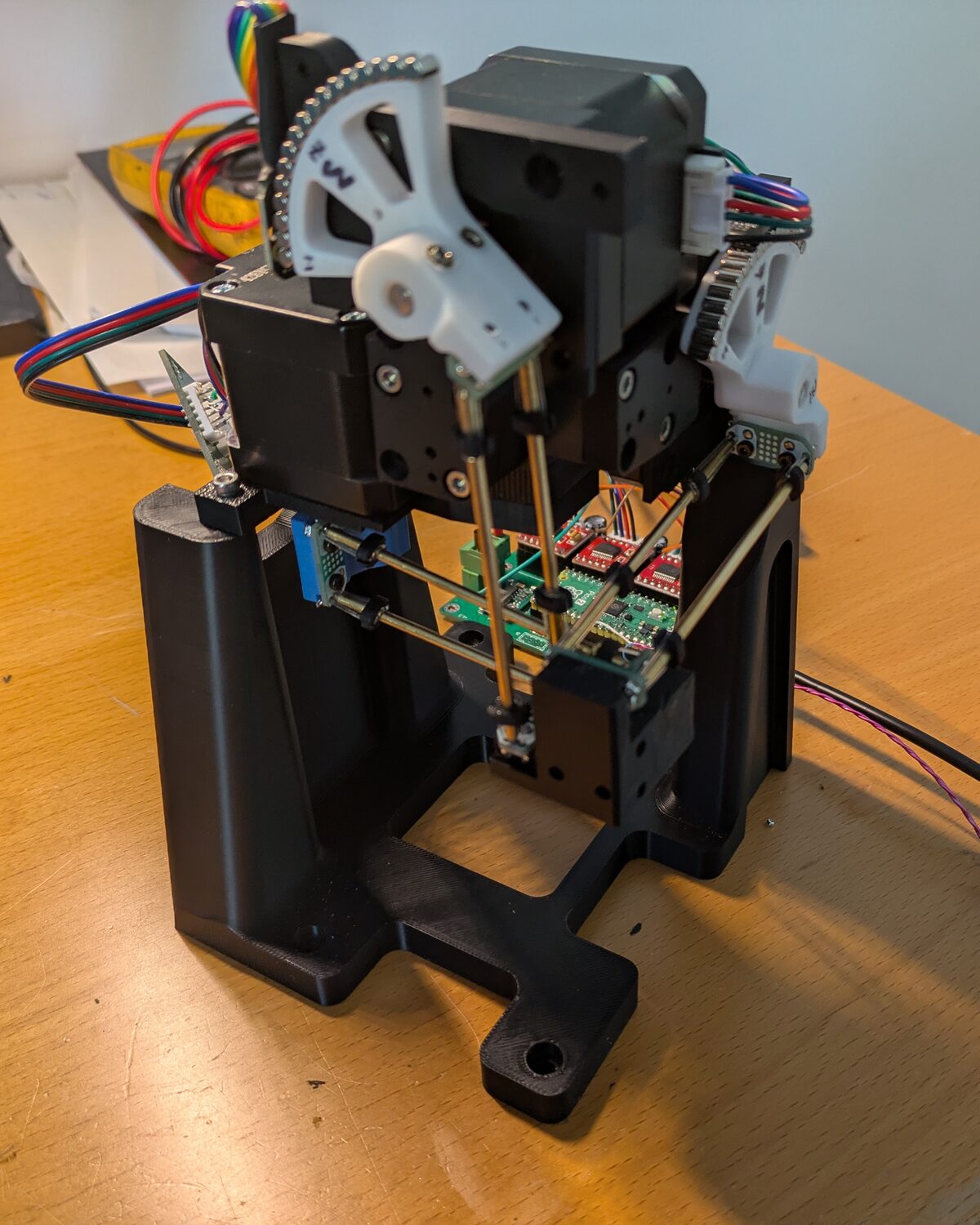
The first PETG part of our syringe extruder is printed and assembled, and a new gear now locks to the lead screw. The largest part is printing now; the third follows.
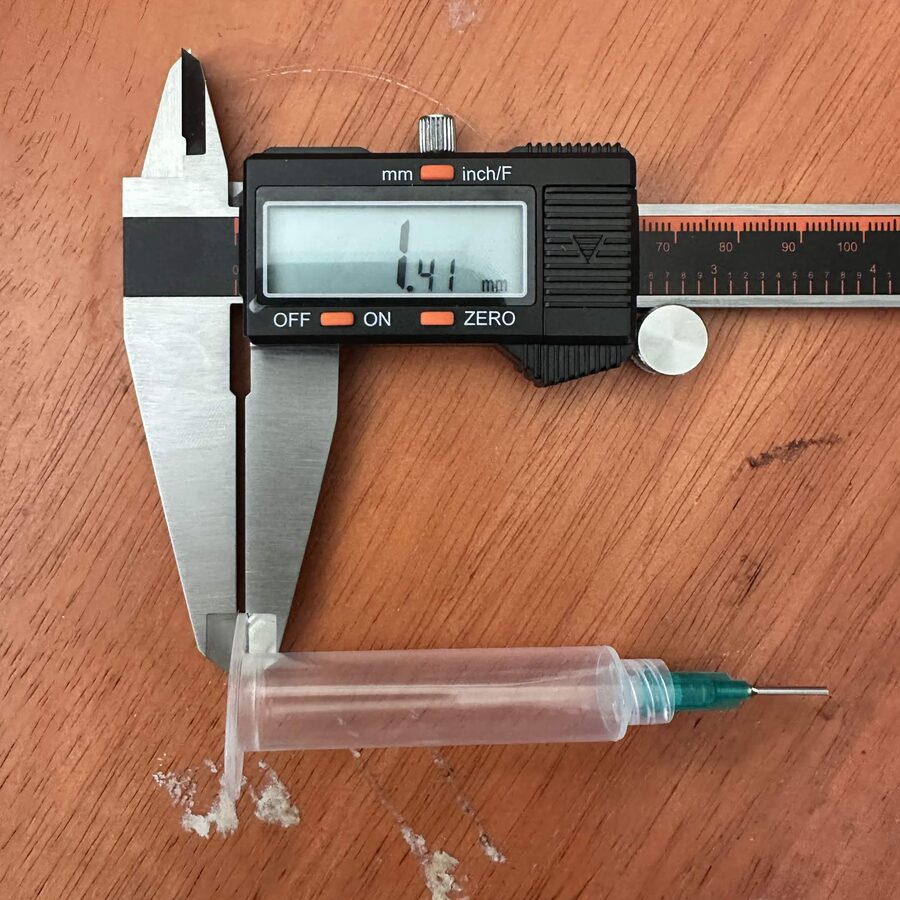
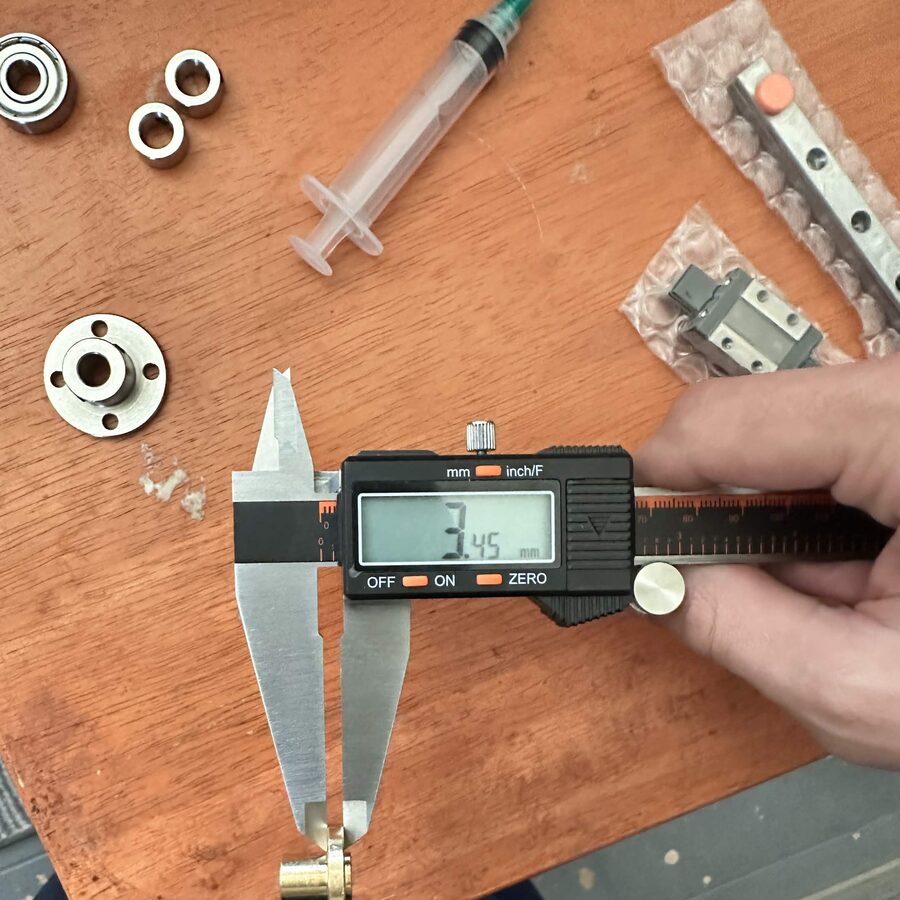
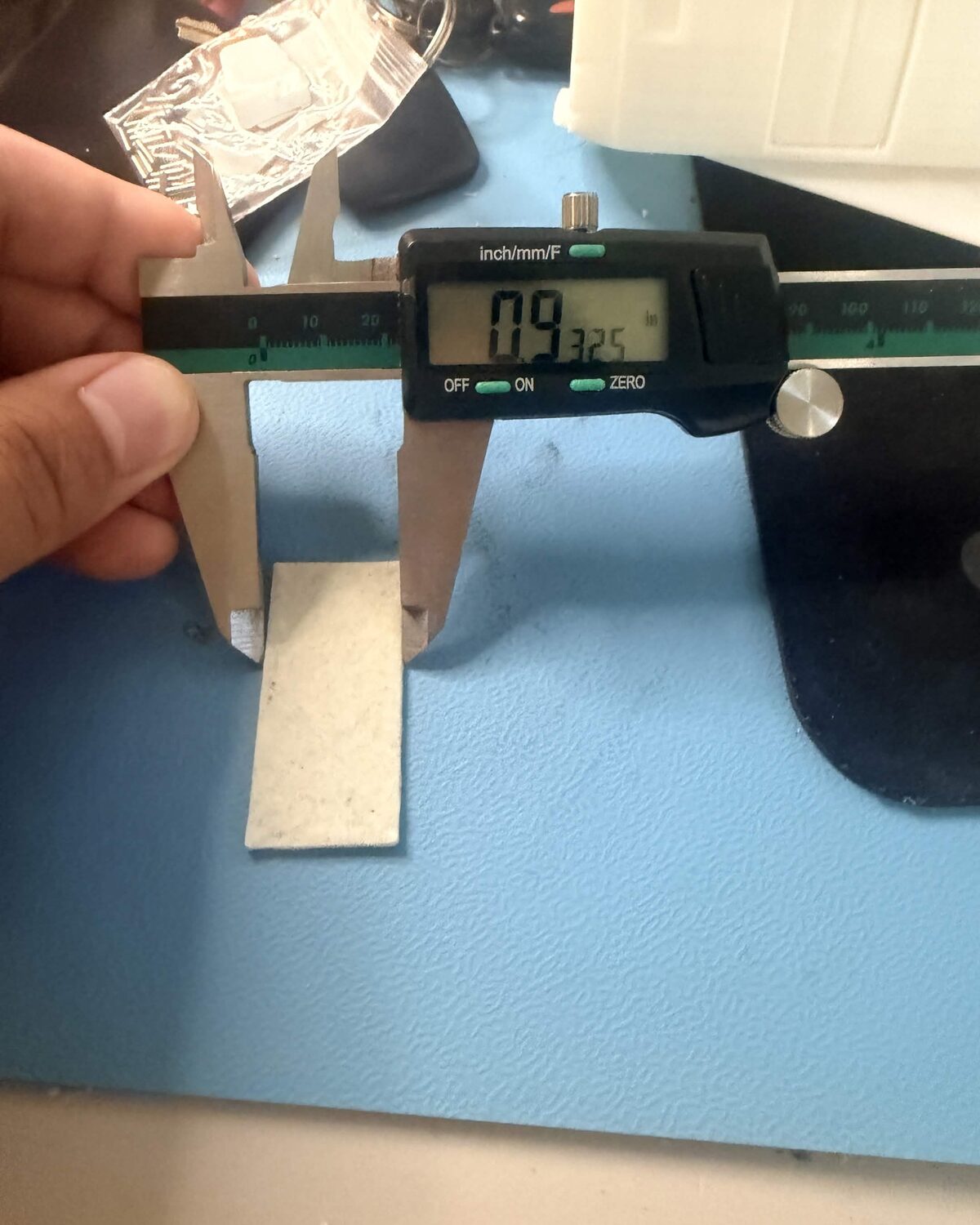
We measured the syringe, bracket, rail and lead-screw hardware with calipers and redesigned the extruder around them: three printed parts on the printer’s stock bracket and motor, checked in simulation for strength and for an assembly order where nothing collides.
The Dycotec silver paste, its thinner and glass-filled filament for printed test boards arrived at the testbed.

Co-founder and CEO
Leads fundraising, investors and outreach, and the concept and science behind the printer.

Co-founder
Software and hardware engineer. Leads the technology: simulations, software, and building and assembling the printer.
We'll email you when the printer is available, and at major milestones before then. Buying for a business, school or lab? Tell us what you'd print.
Get updates